
La Ribera Baixa
In addition to the Albufera Natural Park, there are two towns, Cullera and Sueca, of special interest to the tourist. Cullera takes the visitor from the beach to the mountains, in the same natural environment. The old city hugs the Muntanyeta de les Rabosses and is surrounded by more than 13 kilometres of sandy and rocky beaches. L’Estany Gran, a small freshwater lake, the Castle and the Shrine of the Virgen del Castillo, at the top of the mountain give stunning views of the coast. Sueca is the cradle of rice growing. Its monuments include the Royal Church of Our Lady of Sales, the Church of Saint Peter, and the Town Hall, as well as the Shrine of Muntanyeta dels Sants and the Joan Fuster Museum. Close to the town, you can enjoy excellent beaches, such as El Perelló and Mareny de Barraquetes.
Municipalities
-
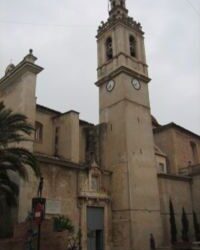
Albalat de la Ribera
Albalat de la Ribera is a village located between the left bank of the River Júcar and the road from Valencia to Alicante. The terrain is completely flat. The River Júcar crosses the municipality and represents its southern boundary. The weather is warm. Land ownership is very fractioned. The land’s productive capacity was increased by means of drainage by aqueducts, and it was turned over completely to crop production. Irrigation is provided by means of the Royal River Júcar Irrigation Canal, and there are a multitude of irrigation canals distributed throughout the municipality’s rice paddies. Local crops include rice, oranges and other fruits, vegetables and legumes.
-
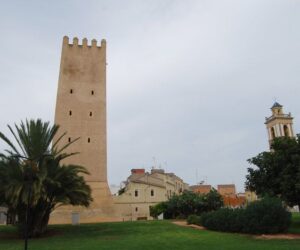
Almussafes
Almussafes is a small but endearing town, full of traditions in close coexistence with the latest innovations, an industrial town (the municipality is host to a major Ford production plant) with an agricultural past. Almussafes is perfectly summed up in its local anthem “an ideal, old town and the jewel of the Ribera”. Marking the border between the Ribera Alta and the Ribera Baja administrative regions, next to “La Huerta” and to the southeast of the Albufera Lake lies Almussafes, a small town that, despite having no mountains or beach, offers other attractions to visitors, such as its small but interesting historical heritage and a highly-varied and consolidated offer in cultural, sporting and leisure activities.
-
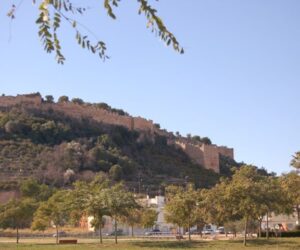
Corbera
–
-
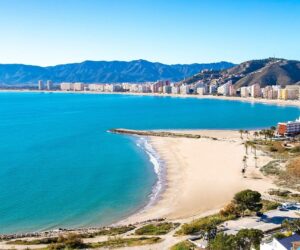
Cullera
The town of Cullera is located on the Mediterranean coast, only 38 km south of the city of Valencia. It is mainly composed by an extensive plain, of which is the main prominence is Cullera Mountain, which reaches a height of 235 m. The lower reaches of the River Júcar pass through Cullera. Its eleven wonderful beaches provide everybody with the opportunity to enjoy themselves. We can choose between the more urban, busier beaches, such as San Antonio and Racó, spacious, quiet beaches such as La Escollera, other semi-developed beaches with fine, golden sands that are ideal for families, such as Marenyet and Brosquil, beaches for practicing water sports, such as Cap Blanc, for snorkelling, such as El Faro, beaches with dunes, such as El Dosel, and finally beaches where we can practice nudism, such as Mareny de Sant Llorenc. Its climate is dry thermomediterranean, with average temperatures in excess of 17 °C. 15 km. of beaches and cliffs, forming a natural setting of great beauty. Without forgetting its main festivities, the week of “Fallas” and an intense recreational and cultural activity throughout the entire year.
-
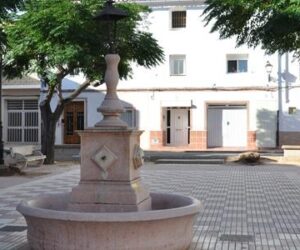
Favara
The municipality of Favara is located at the foot of the northern slopes of the Serra de Corbera range. The municipality is diamond-shaped and rugged. The main peaks are: Germanells (589 m) and Pic de la Mola (625 m). The non-cultivated area is covered by pine forests and scrubland. The municipality of Favara borders with the municipalities of: Alzira , Cullera , Llaurí i Tavernes de la Valldigna .
-
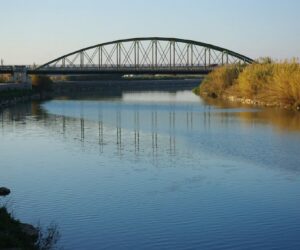
Fortaleny
Fortaleny is a village located to the north of Sierra de Corbera range. The municipality is completely flat. The River Júcar serves as a boundary to the north. It later turns south and also serves as a boundary to the east. The local lands are dedicated to irrigation crops, mainly rice and oranges. The village is situated on the right bank of the River Júcar. The village is Muslim in origin, and was donated by James I of Aragon to Juan Tos. Until 1836, it belonged to the jurisdiction of Corbera de Alzira.
-
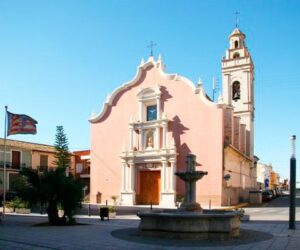
Llaurí
The municipality of Llaurí borders with the municipalities of Alzira, Corbera, Favara, Fortaleny and Sueca. The northernmost part lies on a plateau of recent quaternary sediments, covered by rice fields. The southern sector is where the village centre is to be found.
-
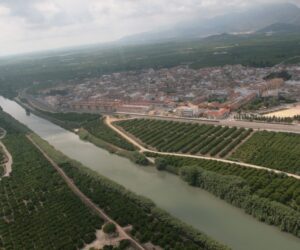
Polinyà de Xúquer
–
-
Riola
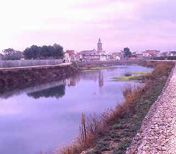
Riola belongs to the Ribera Baixa administrative region and is located on the right bank of the River Júcar. To the north, it borders with the municipality of Sueca, to the east with Fortaleny, to the south with Corbera and to the west with Polinyà. The passage of the River Júcar through the village has created sites of great natural beauty. Mention must be made of “l’Assut”, a major dam on the river. Its economy is mainly based on irrigation agriculture. The cultivated area represents 85% of the total. The rest is mostly occupied by urban buildings and roads. Another important sector is represented by the construction industry. Other activities include the wood industries and some locksmith workshops.
-
Sollana
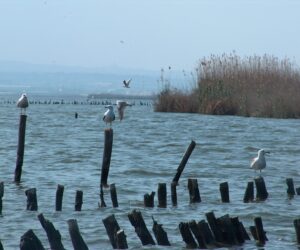
The municipality of the village and the ancient Barony of Sollana, in the province of Valencia, borders with various municipalities in Valencia: with the Albufera Lake to the north, with the Silla to the northeast, with Almussafes to the west, with Alginet to the southeast, with Sueca to the east and southeast and with the Algemesi and Albalat de la Ribera to the south. The municipality covers an area of 37.3 km 2 . According to the Geographic and Cadastral Institute, its coordinates are: North latitude 39° 19’, East longitude 3° 21’, South latitude 39º 14’, West longitude 3° 21′ on the Madrid Meridian.
-

Sueca
The municipality of Sueca is surrounded by the Albufera Natural Park, just 32 Km from the city of Valencia. Rice cultivation provides for a changing landscape with the passing of the seasons due to the warm climate that exists throughout the year. Sueca also offers fine sand beaches and its rich, ample range of local dishes, another of the pleasures that tourists can find in this quiet town.


